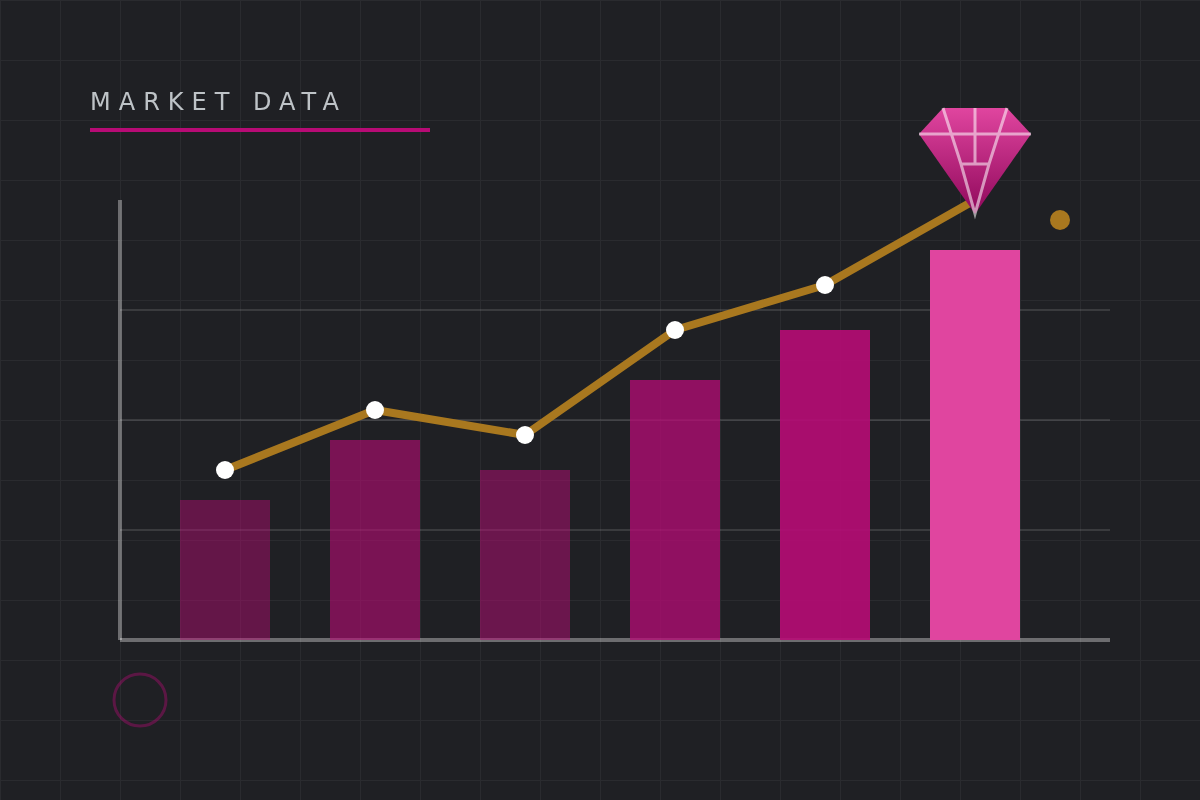
Lab-grown diamond wholesale prices moved down again this quarter, and the reset is now large enough to change assortment decisions for the holiday build. Buyers holding last quarter’s cost sheets are quoting against stones that have fallen 8–15 percent at the popular 0.5–1.0 carat sizes, while certified larger stones eased more slowly.
What moved and what did not
The decline is concentrated in melee and in the 0.3–1.0 carat range where growing capacity is largest. Colour and clarity premiums compressed: the gap between DEF and GH asking prices narrowed to single digits on certified stones. Fancy shapes held better than rounds because cutting capacity for shapes is tighter.
| Size | Round, DEF VS | Round, GH SI | Oval, DEF VS |
|---|---|---|---|
| 0.30 ct | 95–160 | 70–130 | 110–180 |
| 0.50 ct | 230–380 | 180–300 | 280–450 |
| 0.70 ct | 430–700 | 340–560 | 520–820 |
| 1.00 ct | 850–1,400 | 680–1,100 | 1,050–1,700 |
IGI-certified asking ranges observed in trade channels; production batches and buybacks price below these numbers.
What this changes for buyers
Re-quote every open cost sheet
Any quotation older than a quarter is stale. Ask suppliers to re-issue stone pricing with the certificate numbers attached so you can verify each stone individually rather than trusting a line item.
Shift the assortment argument
With 0.5 carat certified stones at these levels, the conversation with retail buyers moves from “is it affordable” to “why buy natural at this size”. Prepare your retail pitch accordingly: the same shelf price now buys a visibly larger, certified stone.
Watch the certificate, not the logo
Insist on IGI or GIA certificates for anything above 0.3 carat, and match the laser inscription against the report before accepting delivery. The certificate is the resale value; the stone without one prices as melee regardless of quality.
Frequently asked questions
Commonly yes once the order passes the supplier quantity break, with the sample fee credited against the first invoice.
Because the design is not the same product. Differences hide in gram weight, plating thickness, stone grade and the QC steps included. Ask both for gram weight, plating microns and stone specification in writing, then compare price per gram of finished piece. The gap usually collapses; whatever remains is the real negotiation.
Whatever your contract says. With metal locked at order confirmation, nothing changes. With a floating clause, the metal line moves with the fixing within an agreed band; beyond the band, the price re-opens. Insist on the split quote, metal and conversion, so movement is transparent and only the metal line ever moves.